Definitive Care for Epistaxis (Nosebleeds)

Understanding Epistaxis
-
Epistaxis, or nosebleeds, are a common occurrence that can affect individuals of any age. While most nosebleeds are benign and easily managed, some cases, especially those recurrent or severe, require medical attention.
-
You should consider seeking advanced treatment for epistaxis if you experience:
-
Frequent nosebleeds that do not respond to conventional first-aid measures.
​
-
Significant blood loss leading to anemia or requiring blood transfusions.
​
-
Nosebleeds associated with underlying vascular abnormalities or hereditary conditions.
Endovascular Treatment
-
Endovascular treatment of epistaxis represents a minimally invasive approach targeting the blood vessels responsible for bleeding. This procedure, called Epistaxis Embolization, performed by our team of experts, is highly effective at preventing further episodes of nose bleeds.

The Embolization Procedure Explained
Procedural Details
-
Initial Assessment: Comprehensive evaluation and imaging studies, such as angiography, to identify the source of bleeding.
-
Catheterization: Under local anesthesia and sedation, a catheter is inserted through a small incision, usually in the groin, and navigated to the blood vessels supplying the nasal area.
-
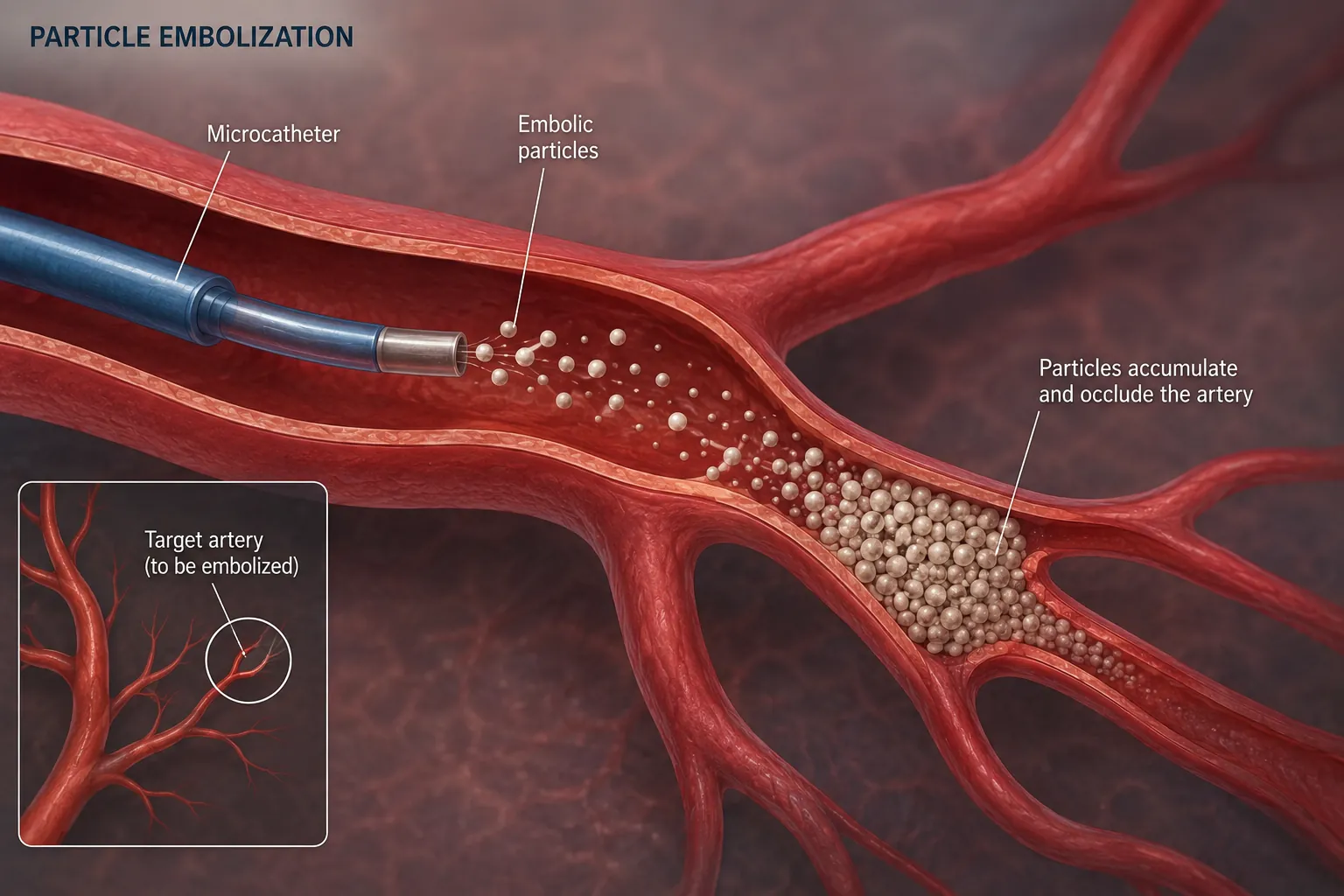
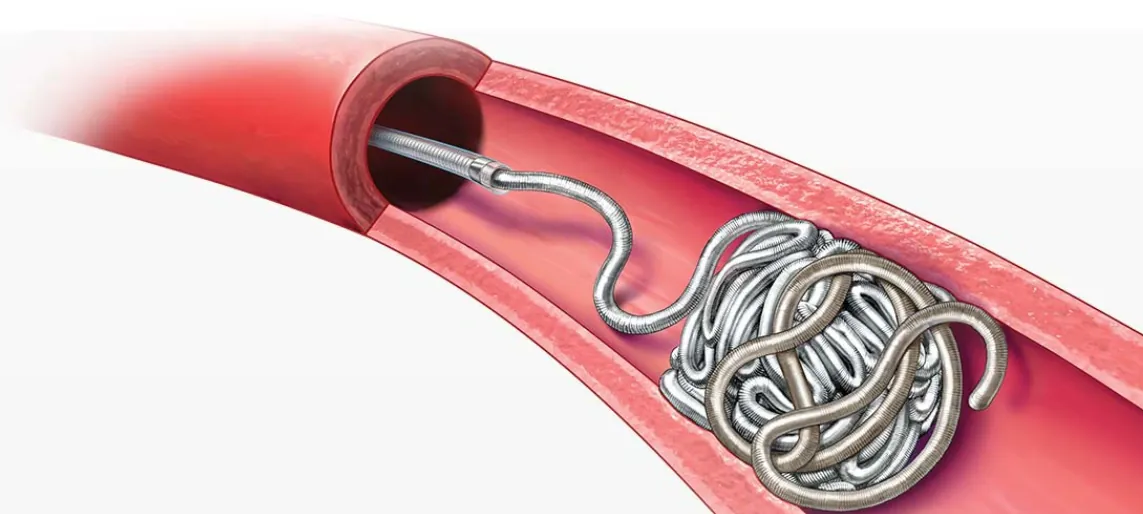
Embolization: Microscopic particles or coils are delivered through the catheter to selectively block the bleeding vessels, effectively stopping the nosebleed.
-
Recovery: Patients can usually go home the same day, with minimal downtime and rapid return to daily activities.
Benefits of Embolization for Epistaxis
-
Minimally Invasive: Compared to surgical options, endovascular treatment involves less risk, minimal discomfort, and shorter recovery times.
-
High Success Rate: This approach is highly effective in controlling severe and recurrent nosebleeds, with a significant reduction in recurrence rates.
-
Precision: Endovascular treatment allows for targeted intervention, minimizing the impact on surrounding tissues.