Comprehensive Care for Brain Aneurysms

Introduction to Brain Aneurysms
-
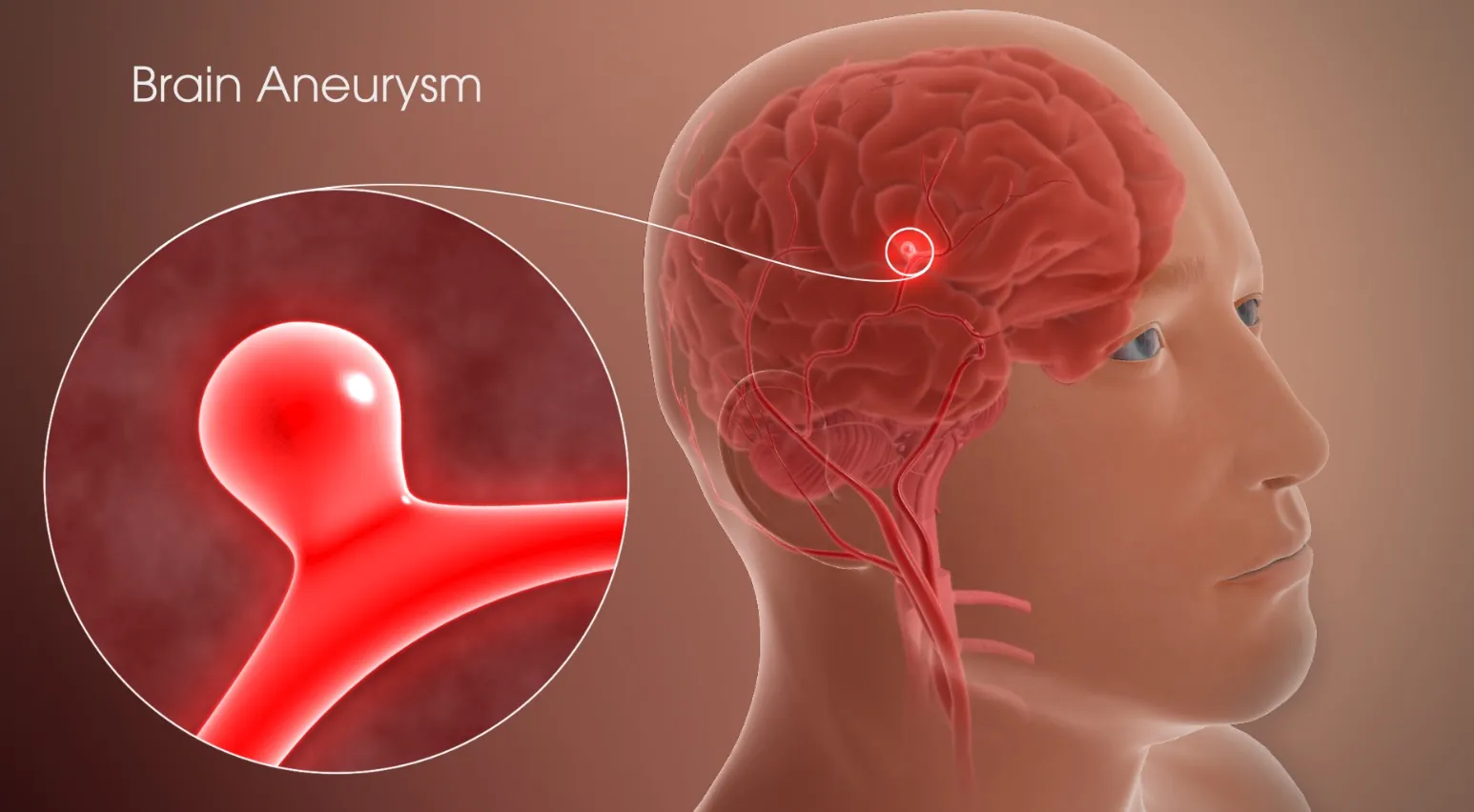
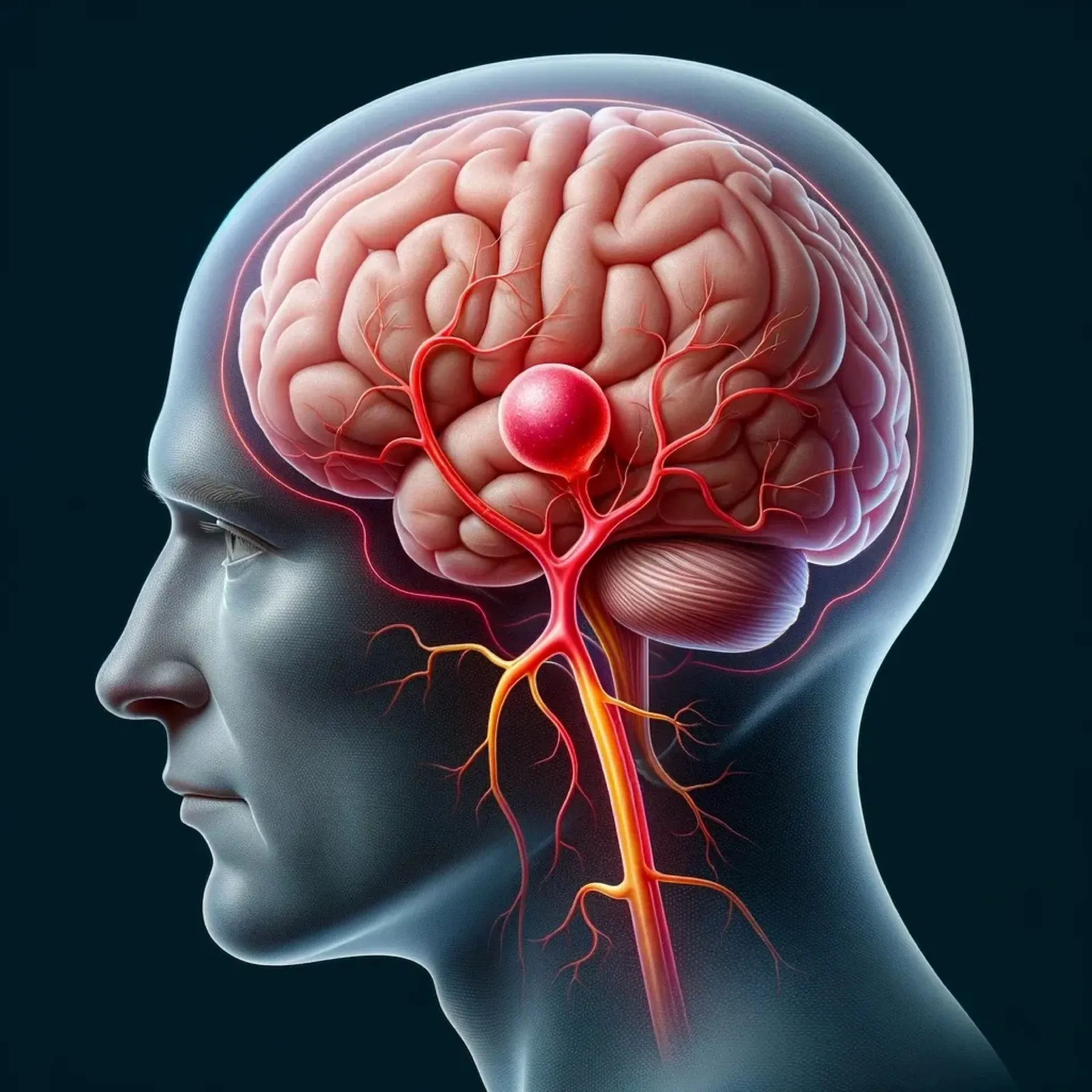
A brain aneurysm is a potentially life-threatening condition characterized by a bulge in a blood vessel in the brain. It can leak or rupture, causing bleeding into the brain (hemorrhagic stroke).
Treatment Options for Brain Aneurysms
-
Cortex offers two primary treatment options for brain aneurysms: endovascular treatment and microsurgical clipping. The choice of treatment depends on the aneurysm's size, location, and shape, as well as the patient's overall health.
-
Endovascular Treatment
-
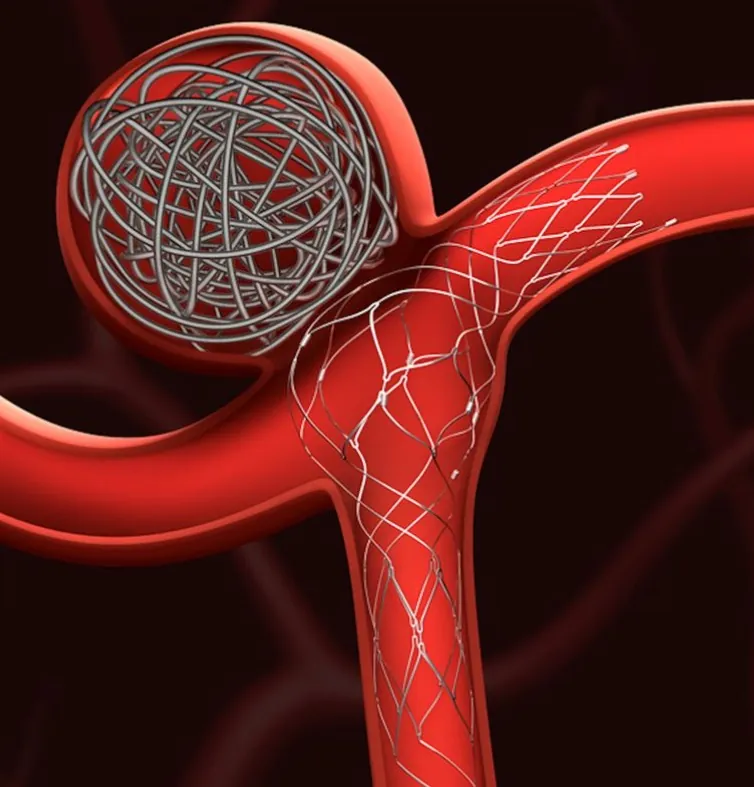
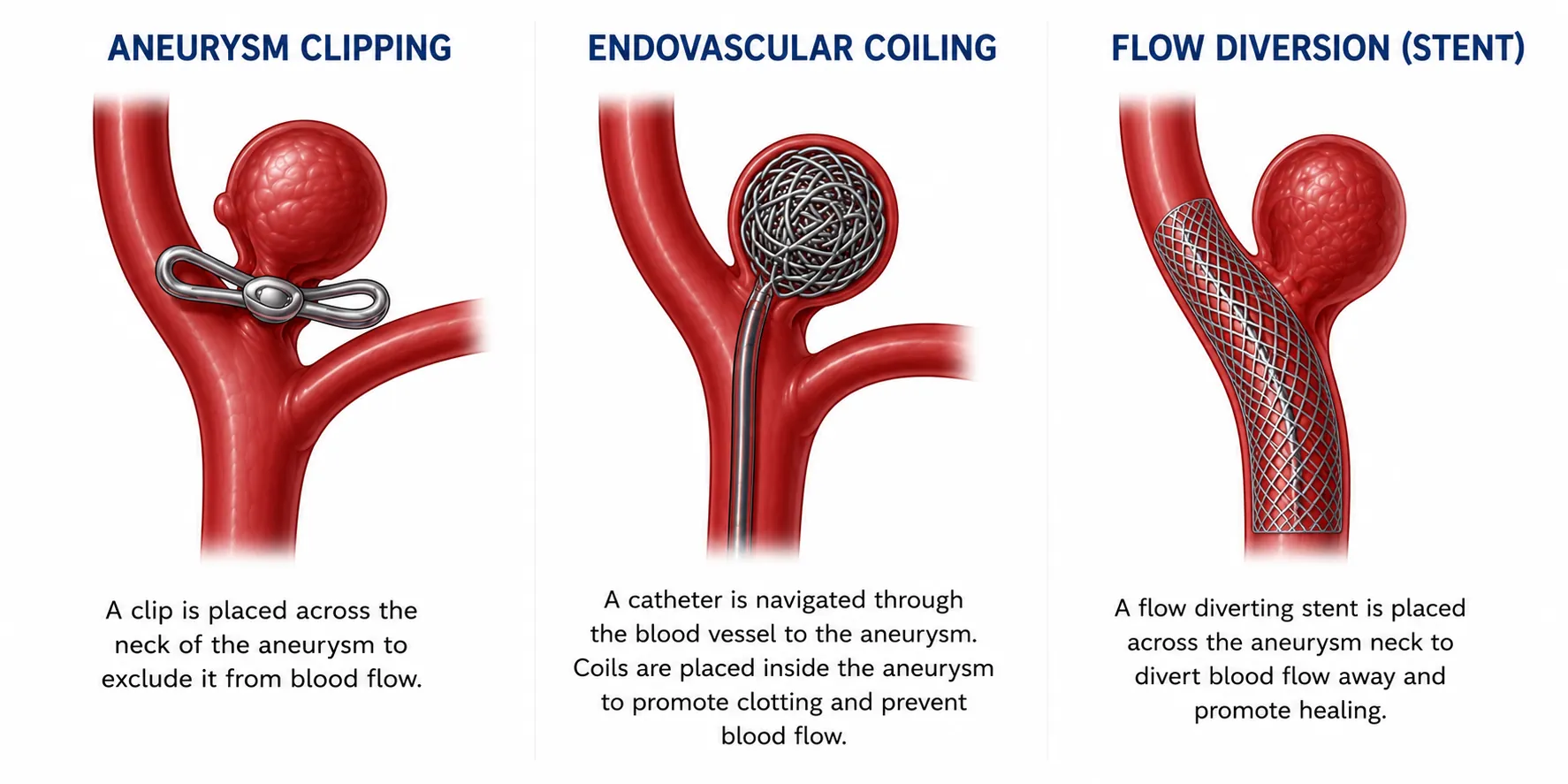
Endovascular treatment is a minimally invasive procedure that includes techniques like aneurysm coiling and stenting.
-
-
Open Surgical Treatment
-
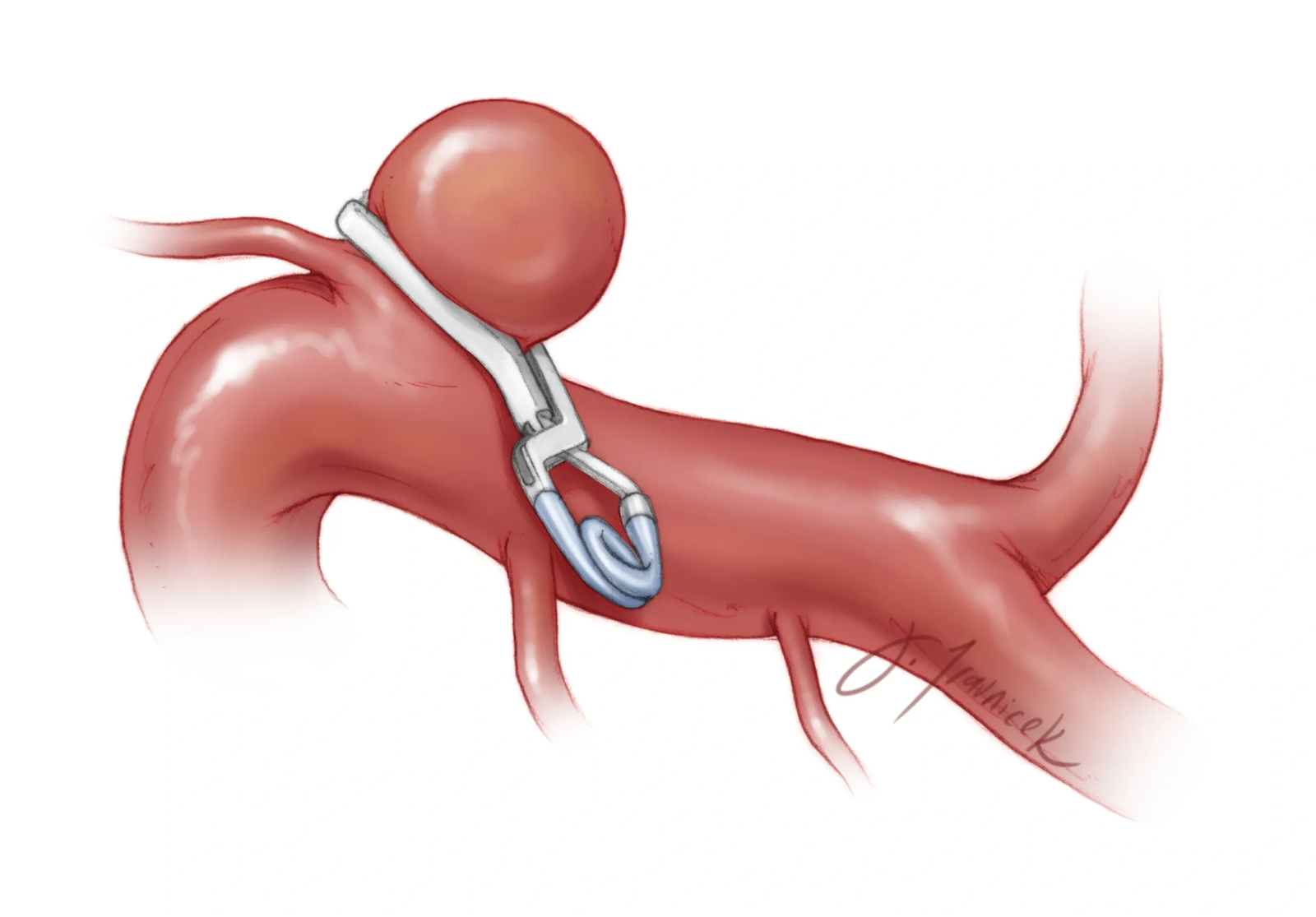
Surgical Clipping, on the other hand, involves placing a tiny clip at the base of the aneurysm to prevent blood flow into it.
-

What is Aneurysm Coiling?

-
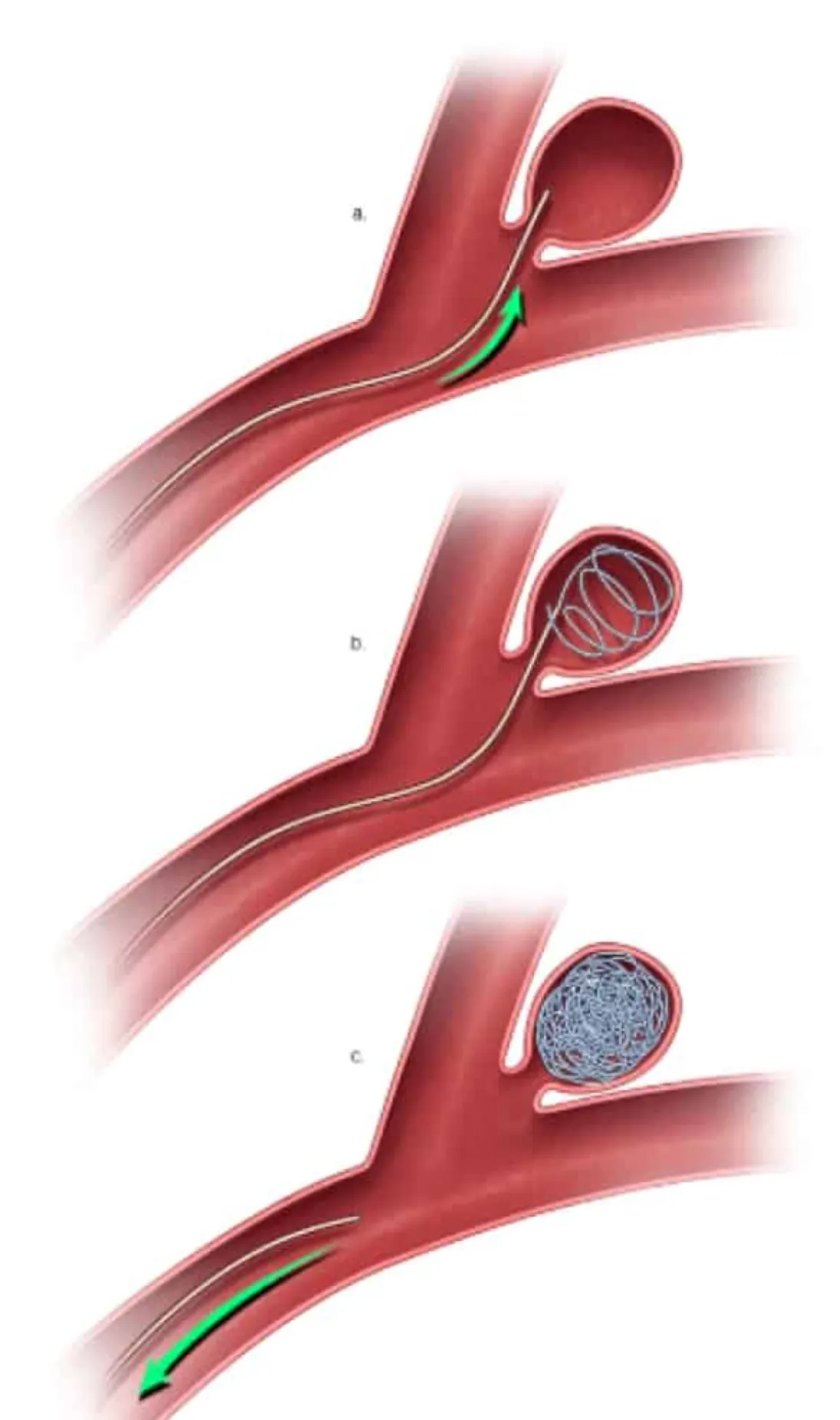
Aneurysm coiling is a minimally invasive endovascular procedure used to treat brain aneurysms, which are bulges or "balloons" in the walls of an artery in the brain. The goal of the procedure is to prevent the aneurysm from rupturing, which can lead to a hemorrhagic stroke, a life-threatening condition. Here's a step-by-step description of how aneurysm coiling is performed:
​
-
Preparation: The patient is given general anesthesia. The area of the groin where the catheter will be inserted is shaved, cleaned, and numbed.
-
Catheter Insertion: A small incision is made in the groin, and a catheter (a thin, flexible tube) is inserted into the femoral artery. Using real-time X-ray imaging (fluoroscopy) for guidance, the catheter is carefully navigated through the vascular system and into the arteries in the brain, reaching the aneurysm.
-
Deploying the Coils: Once the catheter is in place at the site of the aneurysm, tiny platinum coils are threaded through the catheter and released into the aneurysm. These coils are soft and flexible, allowing them to conform to the shape of the aneurysm. The coils are packed into the aneurysm until it is filled. This induces clotting (thrombosis) within the aneurysm, effectively isolating it from the normal blood circulation and reducing the risk of rupture.
-
End of Procedure: After the aneurysm is fully coiled, the catheter is carefully withdrawn. The incision site in the groin is then closed and bandaged. The patient is moved to a recovery area for observation.
-
Recovery: Most patients will stay in the hospital for a day to be monitored. Recovery time varies depending on the individual and the complexity of the procedure. Patients usually return to their normal activities within a few days, following their doctor's recommendations.
-
Aneurysm coiling is considered less invasive than traditional open-brain surgery (craniotomy) and offers the advantages of shorter recovery times and reduced risks of complications.

Aneurysm Clipping
-
Aneurysm clipping is a traditional surgical approach to treating brain aneurysms, offering a direct method to prevent aneurysm rupture.
-
While aneurysm clipping has been a proven treatment for decades, it is generally considered more invasive than endovascular techniques such as coiling. As such, it typically involves a longer recovery period and carries risks associated with open brain surgery.

Which Treatment Option is Best?
-
While both treatment options present viable routes to address the risk of aneurysm rupture, coiling often emerges as the preferred choice for eligible patients due to its less invasive approach and faster recovery. Nevertheless, the decision between coiling and clipping is complex and highly individualized.
-
At Cortex, our multidisciplinary team of experts conducts a comprehensive assessment to determine the most appropriate treatment plan, taking into account the latest research, technological advances, and each patient's unique circumstances. Our priority is to ensure optimal outcomes and quality of life for our patients, whether through coiling, clipping, or other innovative treatments within our comprehensive care spectrum.