top of page

Comprehensive Care for Carotid Disease

Screenshot 2025-12-07 154859.png

Carotid Disease

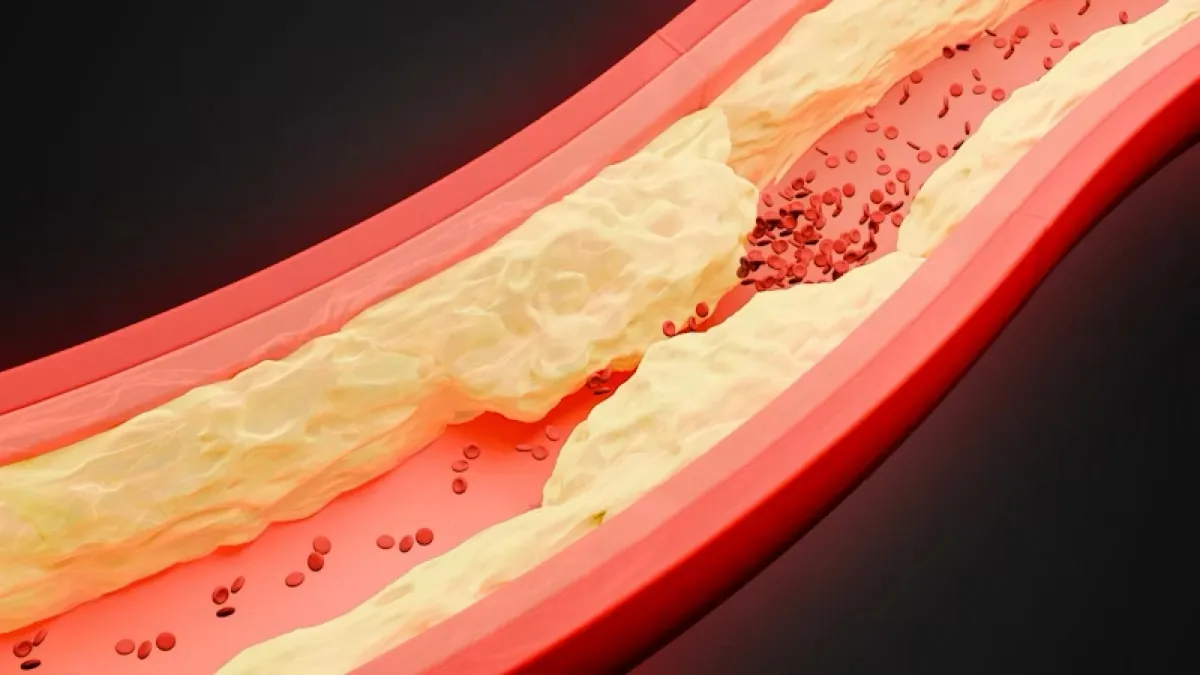
  • Carotid artery disease is a serious condition where the carotid arteries, the main blood vessels that supply blood to the brain, become narrowed or blocked due to atherosclerosis (the buildup of plaque). If left untreated, this condition can lead to stroke, one of the leading causes of death and long-term disability. Recognizing the significance of timely and effective treatment is crucial. At Cortex, we're committed to providing state-of-the-art care, offering several treatment options tailored to each patient's condition and needs.

Understanding Carotid Disease

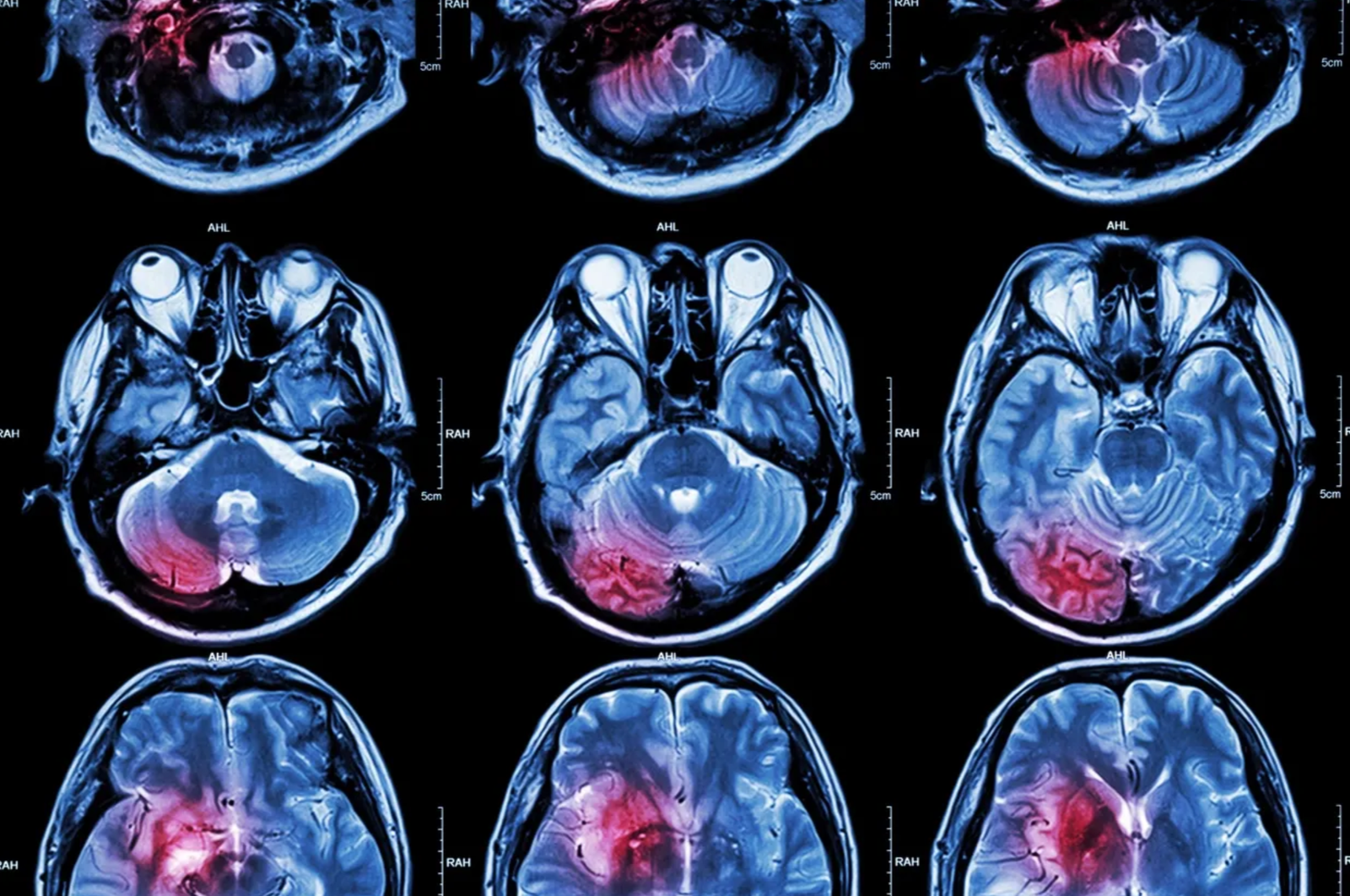
  • Carotid artery disease often develops silently and progressively. It may not present symptoms until significant narrowing or a blockage occurs, potentially leading to transient ischemic attacks (TIAs) or a stroke. Symptoms may include sudden numbness or weakness, particularly on one side of the body, confusion, trouble speaking, vision problems, dizziness, or severe headache.

Carotid 1.png

Treatment Options

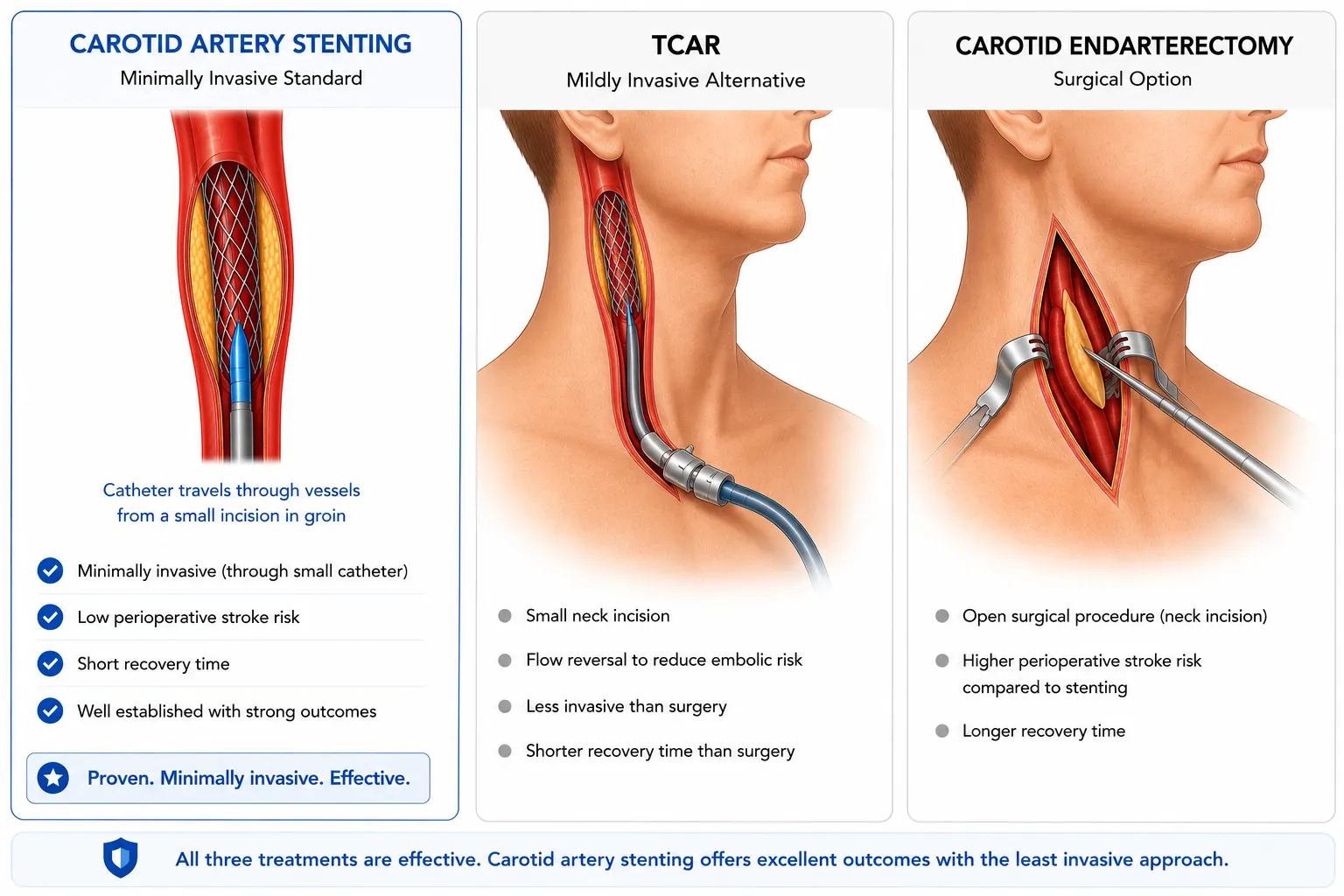
  • Cortex Neurovascular offers three primary treatment options for carotid disease: Carotid Artery Stenting (CAS), TransCarotid Artery Revascularization (TCAR), and Carotid Artery Endarterectomy (CEA).

​​

Carotid Artery Stenting (CAS)

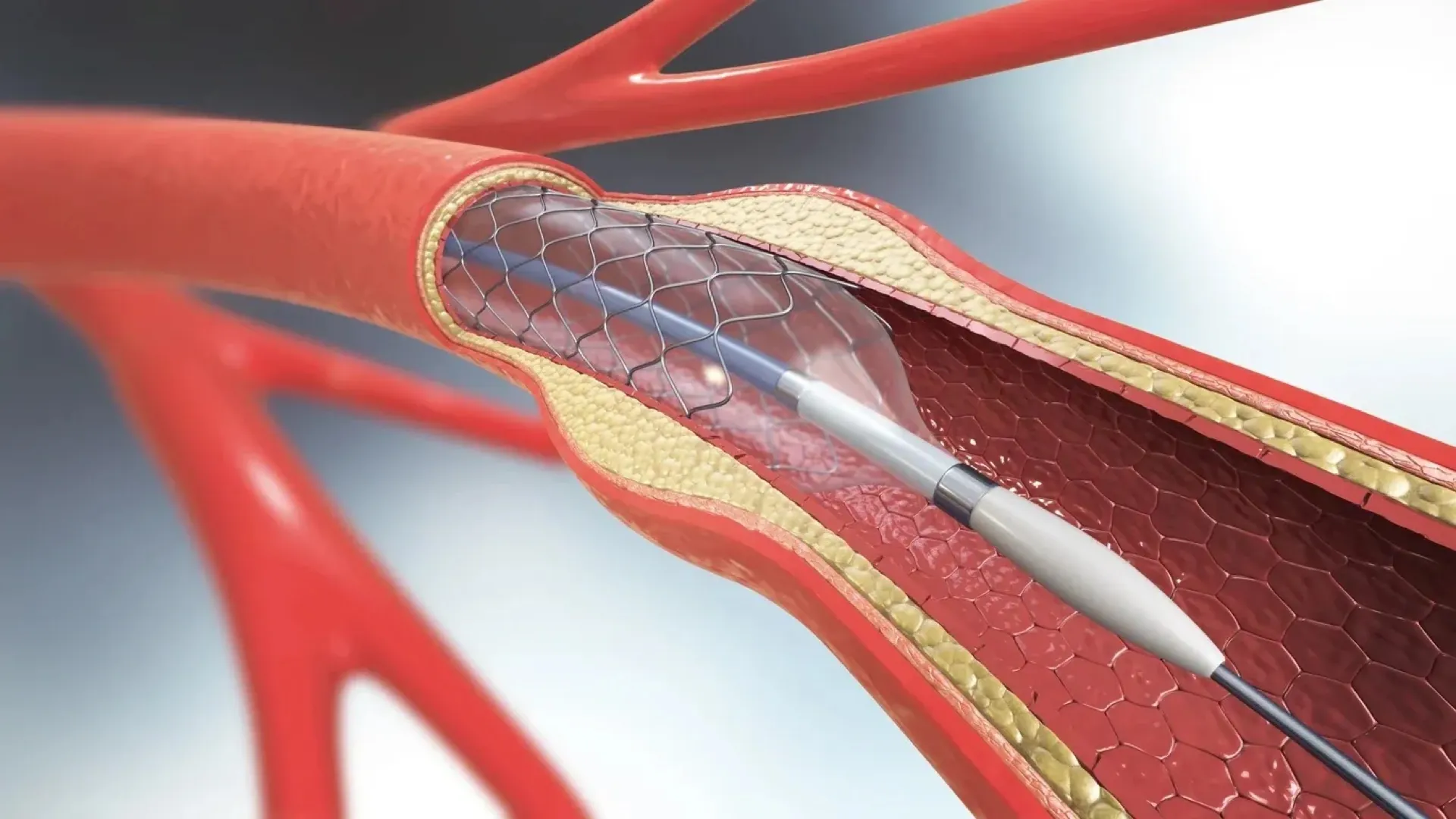
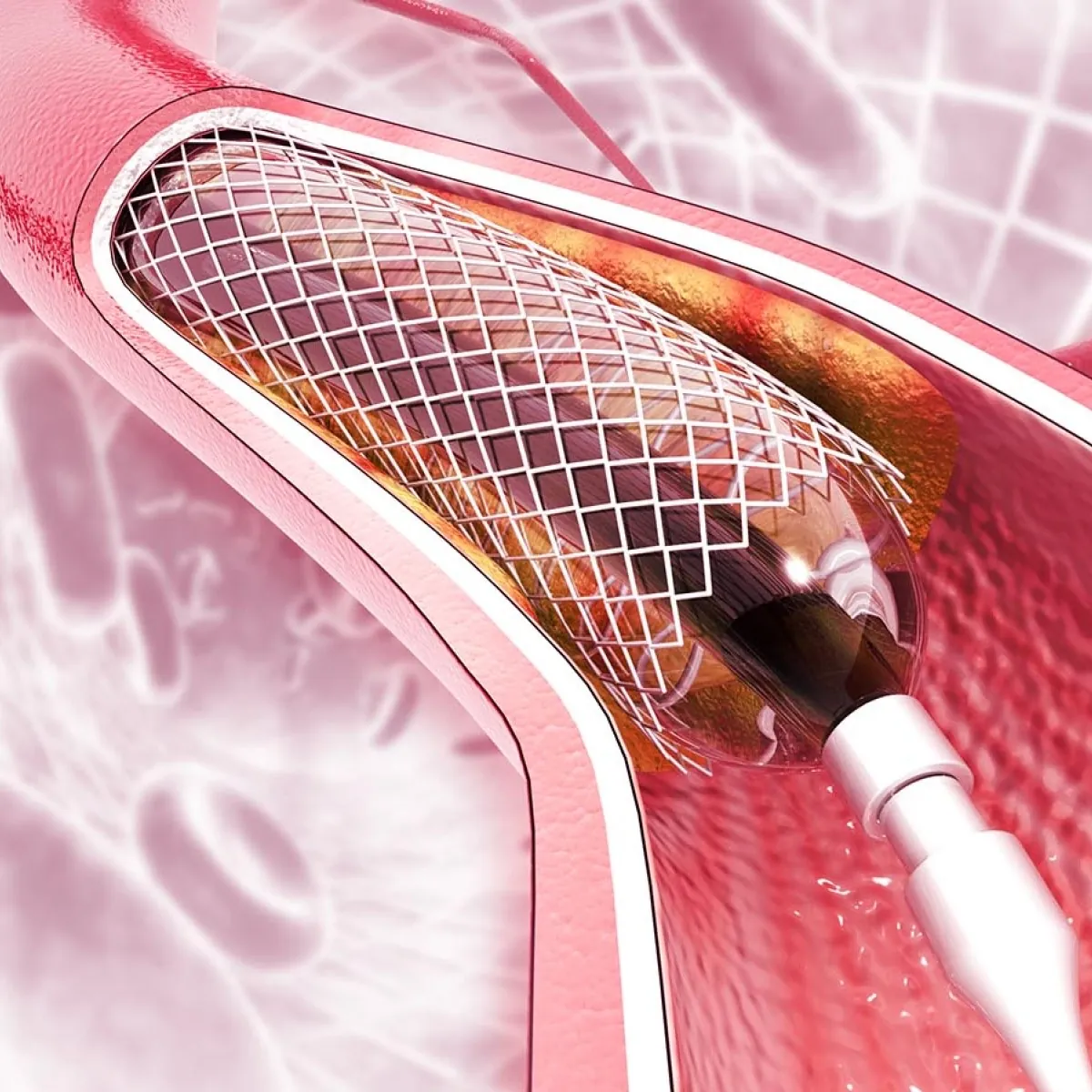
  • Carotid artery stenting is the least invasive treatment option. This procedure involves inserting a catheter through a small incision in the groin or wrist and navigating it to the affected area of the carotid artery. A balloon is then inflated to open the narrowed section, and a stent, a small metal mesh tube, is deployed to keep the artery open. CAS is particularly advantageous for patients considered high risk for surgical procedures due to age, medical history, or other conditions.

TransCarotid Artery Revascularization (TCAR)

  • TCAR is a lower invasive technique. The procedure involves a small incision just above the collarbone, through which a stent is placed directly into the carotid artery while temporarily reversing blood flow to prevent plaque debris from reaching the brain. TCAR offers a lower risk of complications compared to Carotid Endarterectomy.

Carotid Endarterectomy (CEA)

  • Carotid endarterectomy is a surgical procedure that has been the standard treatment for decades. It involves making an incision in the neck to access the affected carotid artery, opening it, and removing the plaque causing the blockage. The artery is then repaired, often with a patch, to widen it and restore normal blood flow. CEA is highly effective, particularly for patients with significant narrowing (70% or more) and can significantly reduce the risk of stroke.

Doctor and Patient

Choosing the Right Treatment

Thrombectomy 3.png
  • Deciding on the best treatment involves considering several factors, including the severity of artery narrowing, patient’s overall health, risk factors for surgery, and potential benefits and risks of each procedure. While carotid artery stenting is increasingly favored for its minimally invasive nature and quicker recovery times, it's essential to have a personalized consultation to determine the most suitable option.


  • At Cortex, our multidisciplinary team of experts closely evaluates each case to recommend the most appropriate treatment plan. Our priority is to ensure that patients receive the highest standard of care, with a focus on minimizing stroke risk and promoting a healthy, active life post-treatment.

Main Office

2502 S Union Ave

Tacoma, WA 98405

833-4-CORTEX

833-426-7839

© 2025 by Cortex Neurovascular - All Rights Reserved.

bottom of page